
Understand what you're booking
12 short guides written by our consultants. Each one explains what a test detects, how to prepare, and what the numbers on your report actually mean.

Urine routine test — what it detects and how to read it
A urine routine examination is one of the cheapest and most informative tests in medicine. Here's what each line on the report means and when it matters.
 Pathology · 6 min
Lipid Profile — what your cholesterol numbers actually mean
LDL, HDL, triglycerides, ratios — a clear guide to reading your lipid profile against Indian-specific risk thresholds.
 Pathology · 5 min
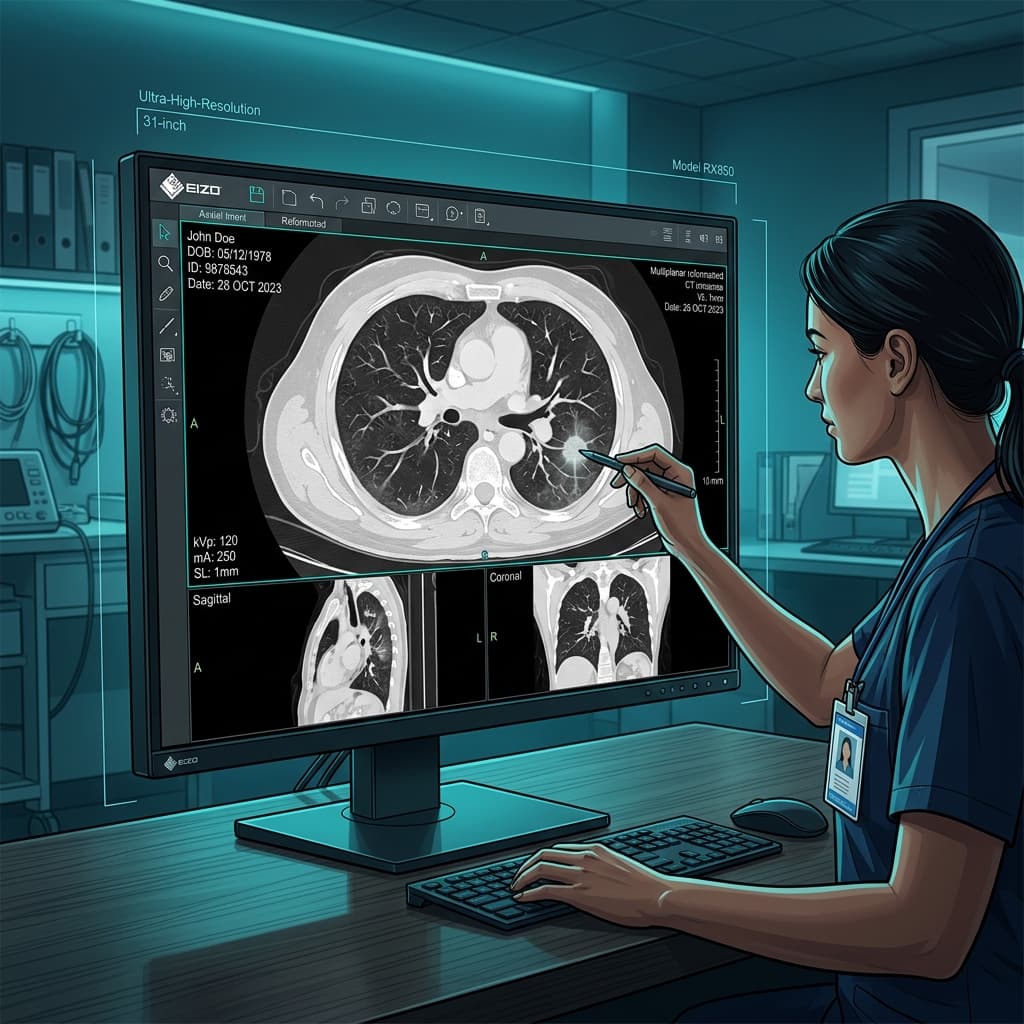
HbA1c vs Fasting Sugar — which test should you trust?
Fasting sugar shows where you are right now. HbA1c shows where you've been for the last three months. Here's how to read both, and which to repeat.
 Pathology · 5 min
Vitamin D deficiency in Indians — why most of us are low
Vitamin D deficiency is endemic in urban India even in sunny cities. Here's why, what symptoms to watch for, and how to fix it cheaply.
 Pathology · 5 min
Thyroid tests — what TSH, T3, and T4 actually tell you
A simple guide to interpreting your thyroid profile, why TSH is the most important number, and why the test is so common in Indian women.
 Pathology · 6 min
CBC test — what each number on your report means
A line-by-line guide to interpreting your Complete Blood Count report, with normal ranges for Indian adults and what common abnormal values usually mean.
 MRI · 5 min
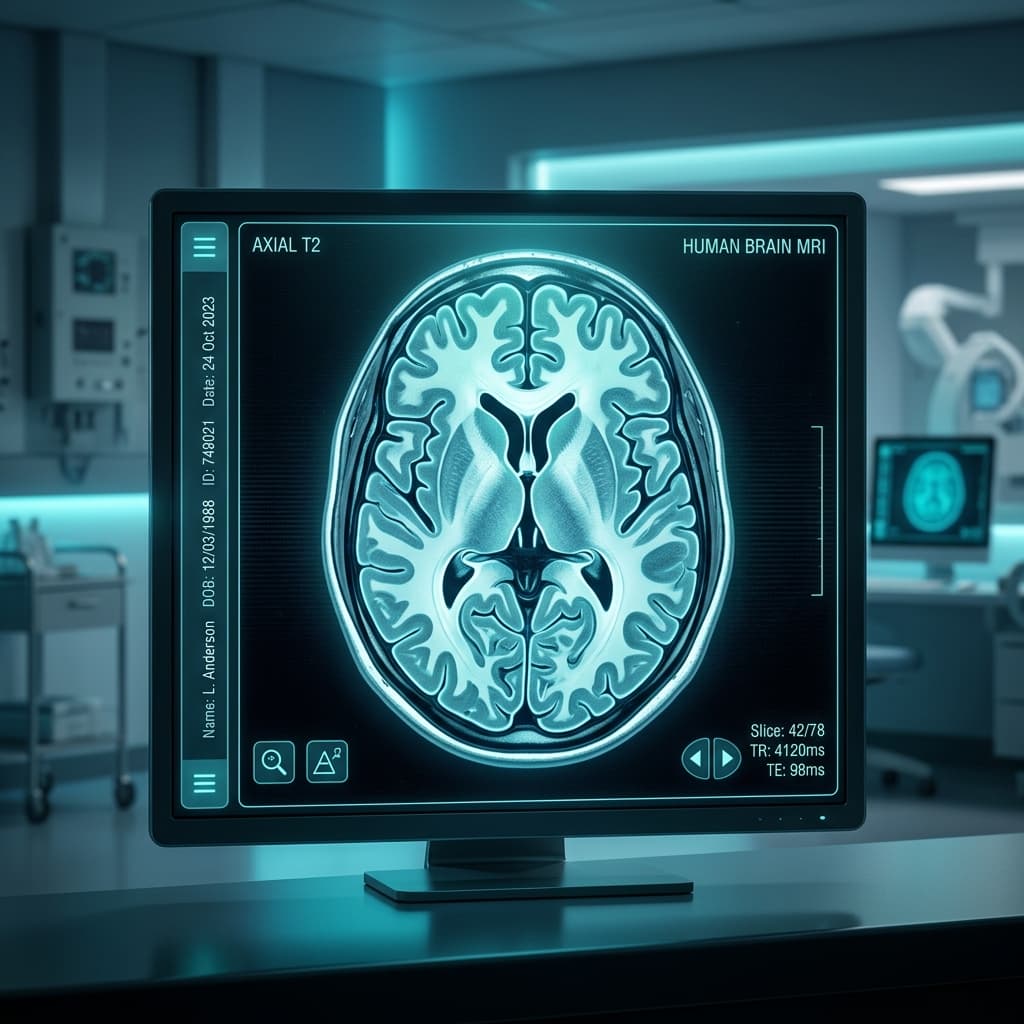
Is MRI safe? Common myths, and the few real concerns
MRI has no radiation, no proven long-term effects, and is safe for almost everyone. Here's what to actually watch for — and what to ignore.
 General health · 5 min
Full body checkup: what's actually inside, by package
A breakdown of what's in our Basic, Comprehensive, and Senior packages — and which one is right for your age and risk profile.
 MRI · 6 min
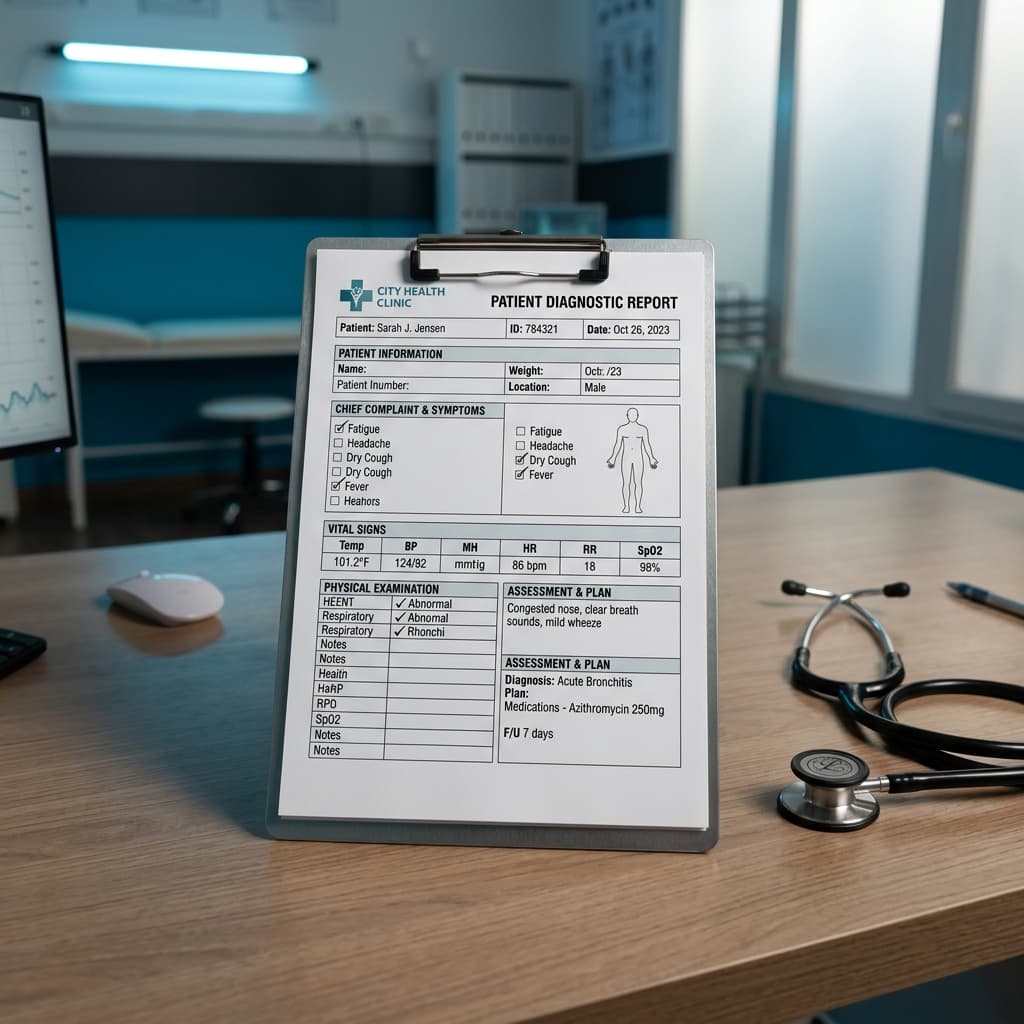
How to read your MRI report — the words that matter
A short glossary of the technical terms in a typical MRI report and what they actually mean. Worth reading before your doctor's appointment.
 Sonography · 5 min
How to prepare for a sonography — fasting, bladder, what to wear
Different sonography types have different prep rules. Here's a quick guide to fasting, full or empty bladder, and what to bring for each common ultrasound.
 MRI · 6 min
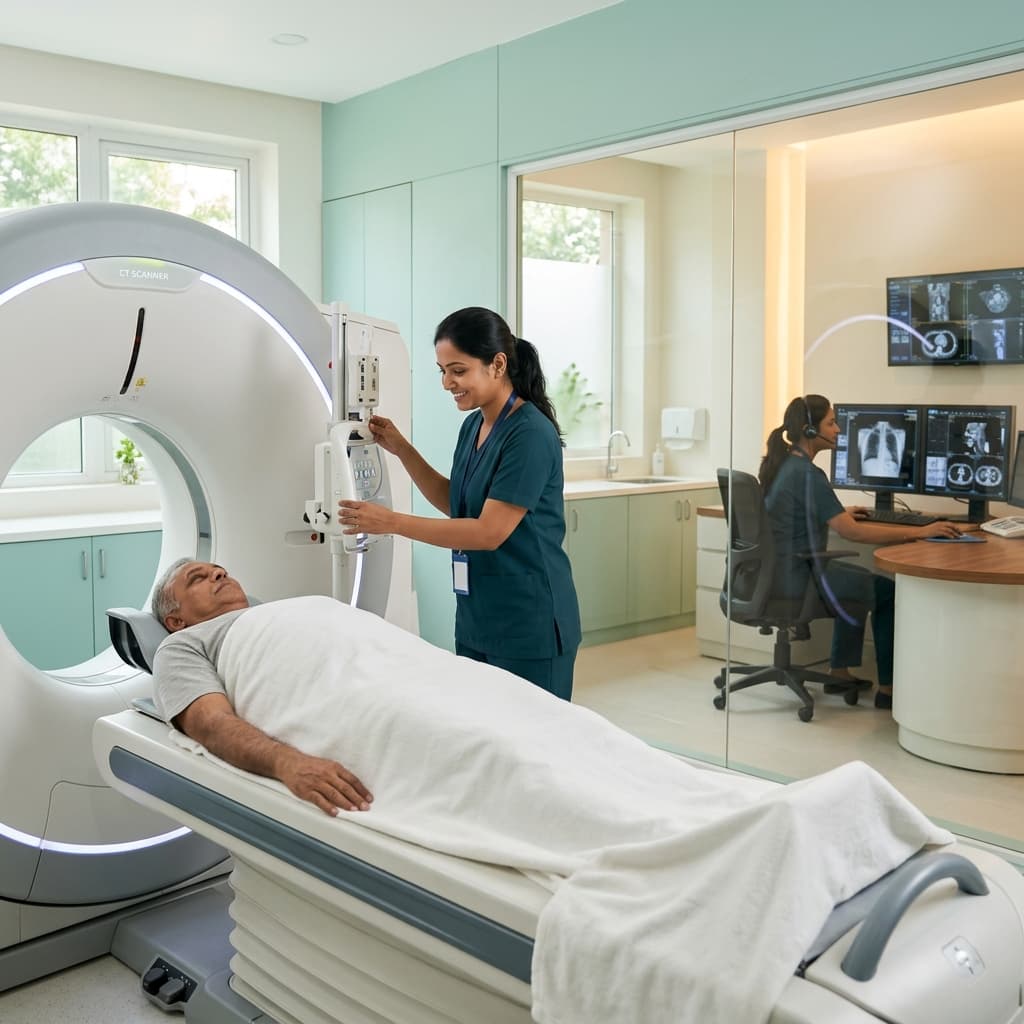
MRI vs CT — which one do you actually need?
A practical decision guide for when MRI is the right test, when CT is the better choice, and why your doctor's specific request matters more than what's "newer."
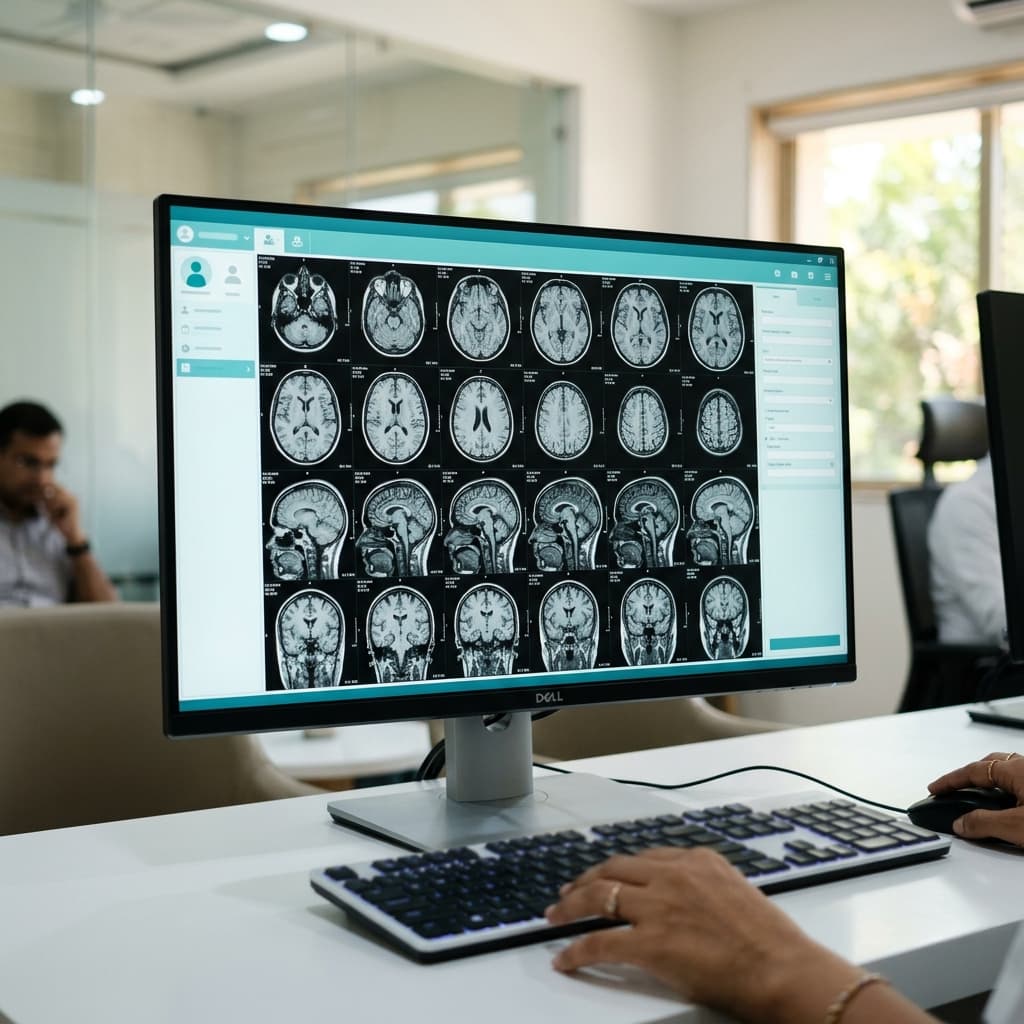 MRI · 6 min
What is MRI and how does it work?
A plain-language walk-through of how an MRI machine takes pictures of your body without using radiation, and what the "3 Tesla" rating actually means for image quality.